
Quick Summary
To buy premium manuka honey online safely, read the MGO or UMF rating to match potency to your use, then verify the UMF licence number and producer name before paying. Check that the label says monofloral rather than a blend, compare price per 100 g, and review the returns policy at checkout.
- MGO measures methylglyoxal concentration in mg/kg, while UMF also confirms authenticity under a licensed programme.
- A label showing only MGO 300+ is not the same as a UMF-certified claim.
- Check that the UMF mark includes a licence number and a producer name matching the certifying body's licensee list.
- Terms like "Manuka blend" signal a product that is not monofloral.
- Divide the jar price by its weight to compare cost per 100 g across ratings.
Table of Contents
- How to Buy Premium Manuka Honey Online Safely
- What Premium Manuka Honey Means Before You Buy
- Reading MGO and UMF Ratings Without the Marketing
- How to Check That Manuka Honey Is Authentic
- Matching Potency to Use: Cooking, Daily Use and Gifts
- Checking UMF-Certified Manuka Honey Labels
- Choosing Your Manuka Honey and Placing Your Order
- Frequently Asked Questions
How to Buy Premium Manuka Honey Online Safely
Last Updated: November 21, 2026
The buying decision starts long before checkout. Shoppers searching to buy premium Manuka honey online quickly run into a wall of MGO numbers, UMF badges and certification claims that look similar but mean different things. Here is how to read them, verify them and place a safe order.
What Premium Manuka Honey Means Before You Buy
Premium Manuka honey is honey made from the nectar of the Manuka plant (Leptospermum scoparium) in New Zealand, typically monofloral and rated for its methylglyoxal content. The "premium" label itself has no regulated meaning, so the rating and sourcing details on the label do the real work.
Several attributes separate a premium jar from a generic one:
- Origin: Genuine Manuka comes from New Zealand.
- Potency rating: MGO or UMF grading indicates the compound profile of the honey.
- Processing: Minimal heat treatment and no blending with cheaper honey preserve the character of the product.
- Traceability: Clear information about the harvest region and batch helps you judge what you are buying.
A common mistake is treating "Manuka" as a single quality level. A 100+ MGO jar and a 500+ MGO jar are both Manuka, but they serve very different purposes and price points.
Reading MGO and UMF Ratings Without the Marketing
Most product pages throw two numbers at you, an MGO rating and a UMF grade, as if they were interchangeable. They are not, and understanding the difference is the single most useful skill for buying premium Manuka honey online without overpaying or under-buying.
What MGO measures. MGO (methylglyoxal) is a naturally occurring compound in Manuka honey, and the MGO rating states its concentration in milligrams per kilogram. An MGO 300+ jar contains at least 300 mg/kg of methylglyoxal. That is a potency measure only, it says nothing on its own about whether the honey is monofloral, where it was harvested, or whether it has been blended.
What UMF measures. UMF (Unique Manuka Factor) is a grading system administered under a licensed certification programme in New Zealand. A UMF grade is not just a restatement of MGO; it combines methylglyoxal with other characteristic markers (including leptosperin and dihydroxyacetone, the compound that converts to MGO over time) to confirm both potency and authenticity. The two scales are not the same claim.
What you can and cannot infer. From a rating alone you can infer approximate methylglyoxal concentration and, for UMF, that the batch passed an authenticity check under a licensed programme.
A practical selection framework. Rather than assuming the highest number is best, match the rating to intended use and budget:
- Everyday use (drizzling, tea, yogurt, cooking): lower-to-mid ratings give you Manuka character without paying for potency you will not notice in a recipe. Many regular buyers settle here.
- Daily wellness routines: mid-range ratings are the common choice for people who want a consistent daily spoonful without treating every jar as a special-occasion purchase.
- Concentrated or targeted use: higher ratings cost disproportionately more per jar and per 100 g, so they make sense only when you specifically want a concentrated product, not as a default "best" option.
- Gifting: a clear, verifiable rating and presentable packaging usually matter more to the recipient than the highest number on the shelf.
Watch out: potency and price do not scale linearly, so comparing jars by rating alone can hide large differences in cost per 100 g. Always divide the jar price by its weight before deciding which rating tier fits your budget.
The two rating systems measure different things, so the table below summarises what each one tells you before you buy.
| Rating | What it measures | What it does not tell you |
|---|---|---|
| MGO | Methylglyoxal concentration in mg/kg | Whether the honey is monofloral or blended |
| UMF | Potency plus other markers under a licensed programme | Flavour, texture or harvest season |
| MGO 300+ | At least 300 mg/kg methylglyoxal | Authenticity without further documentation |
| UMF grade | Batch passed an authenticity check | Whether it was heated during processing |
| Everyday use | Lower-to-mid ratings suffice | Higher potency is rarely needed in recipes |
| Concentrated use | Higher ratings cost more per 100 g | Value beyond the targeted use case |
How to Check That Manuka Honey Is Authentic
Counterfeit and mislabelled Manuka is a documented problem, and online buying removes the cues you would get from holding the jar. Verification is therefore a process, not a single check. Work through these steps before you pay.
1. Identify the certification programme and its mark. Genuine UMF-certified products carry the UMF mark and a licence number tied to a licensed producer. The mark should appear on the jar and in the product listing, and the producer name should match the name on the certifying body's public licensee list.
2. Match the batch, not just the brand. Potency can vary between harvests, so look for a certificate that ties the rating to the specific batch.
3. Check origin and traceability details. Look for the producer and the testing method referenced. A seller who names neither is asking you to trust a label.
4. Read the label language carefully. Terms like "Manuka blend," "Manuka honey blend," or "contains Manuka" signal a product that is not monofloral. Monofloral Manuka should be described as such and backed by a rating.
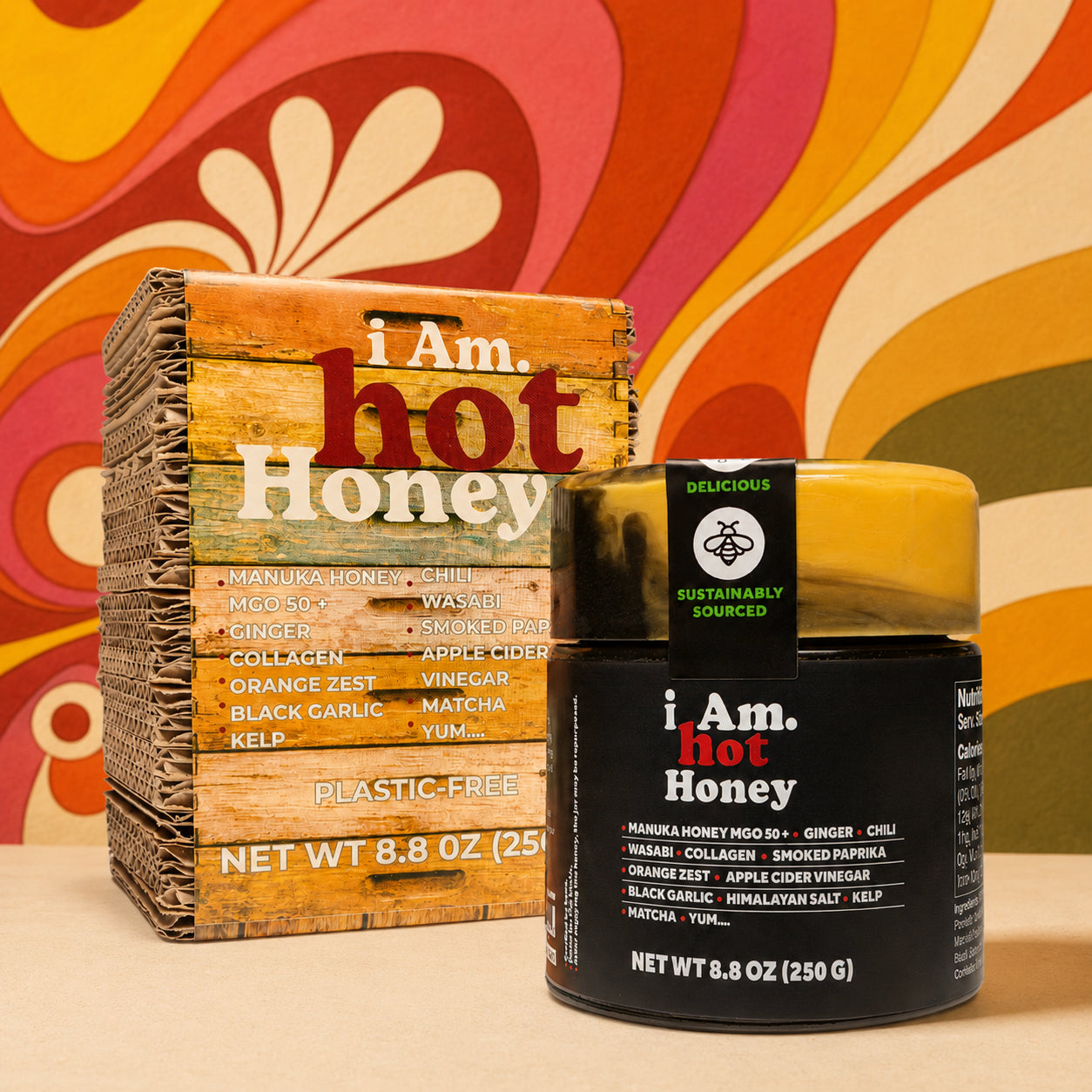
5. Sanity-check the price against the rating. Very cheap "Manuka" at a high stated rating is a common red flag, because genuine high-potency monofloral honey carries a real cost. That does not mean the cheapest jar is fake, but a price that is far out of line with the rating deserves a request for documentation before purchase.
6. Confirm the seller's terms before checkout. Check the shipping terms, the returns and refunds policy, and whether the seller provides documentation on request. A seller who will not answer a batch or certificate question before the sale is unlikely to help after it.
Matching Potency to Use: Cooking, Daily Use and Gifts
Potency should follow purpose. For drizzling on cheese, yogurt or toast, a lower-rated honey gives you the flavour without paying for potency you will not use. For a gift, presentation and a clear rating often matter more than the highest number.
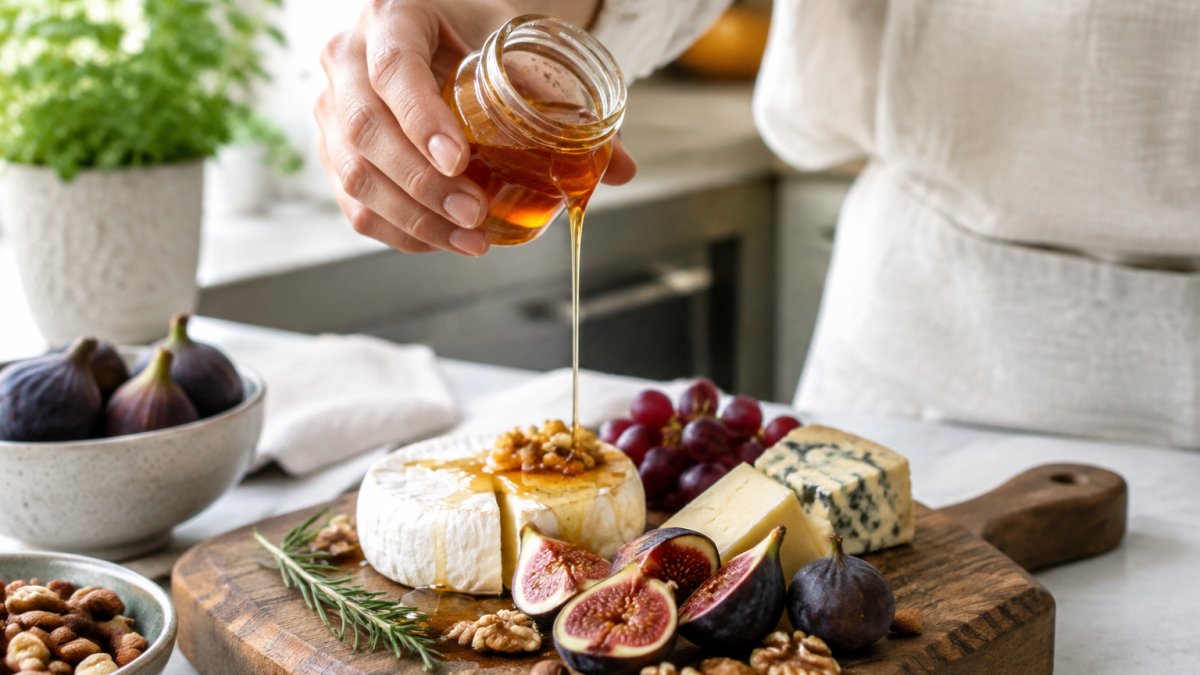
Our hot honey blend uses premium Manuka as its base. You can use it in dressings and cocktails.
Why Hot Honey Pairs Well With Manuka
Drizzled over pizza or roasted vegetables, it adds a sweet-and-spicy flavour. Buyers curious about the "swicy" trend, meaning sweet-and-spicy flavour, often find Manuka a good starting point.
Checking UMF-Certified Manuka Honey Labels
When you see a UMF mark, check three things: the UMF number, the licensed producer name, and a batch or certificate reference. Genuine UMF-certified products should show these details clearly. If a label uses the UMF name without these elements, ask the seller for documentation before buying.
Choosing Your Manuka Honey and Placing Your Order
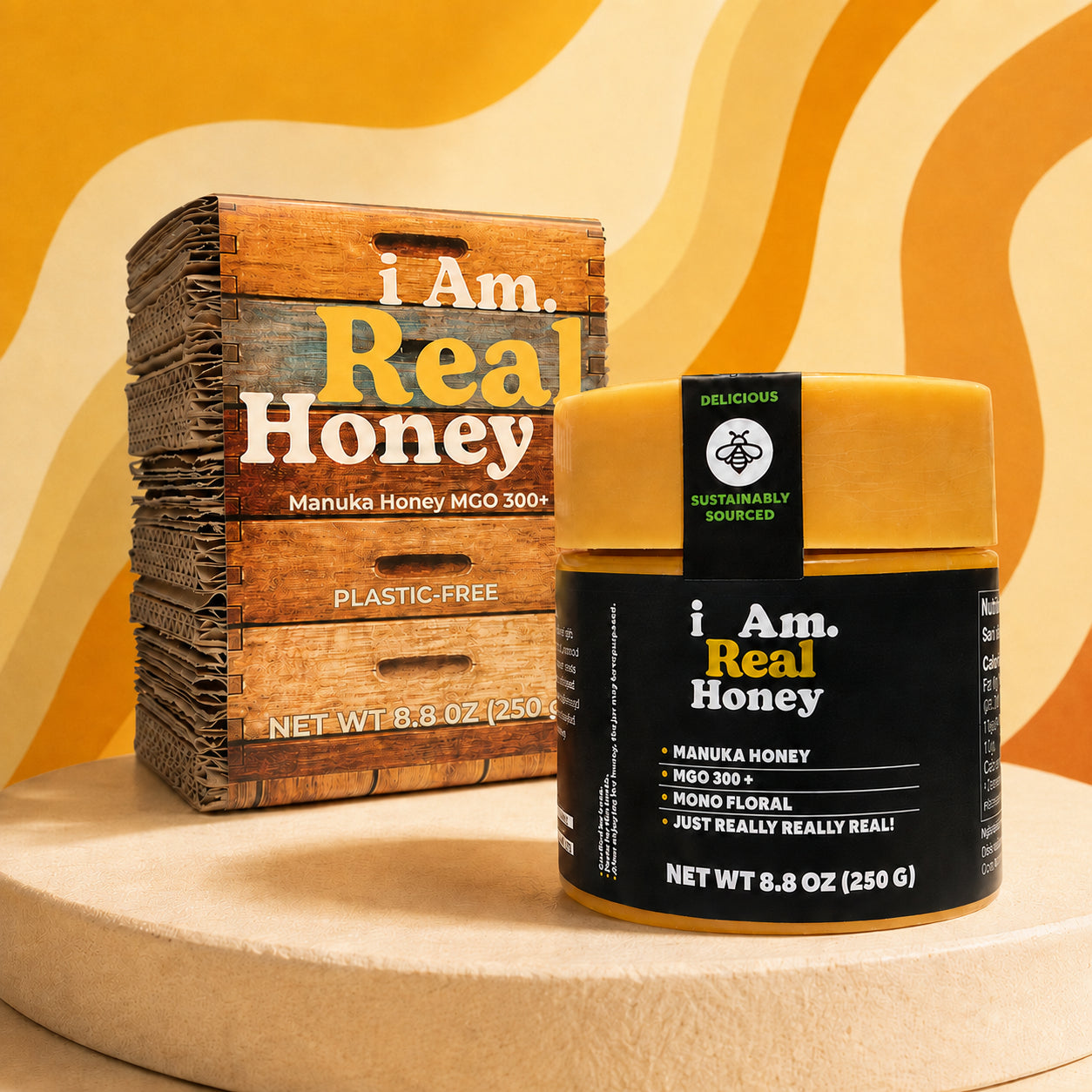
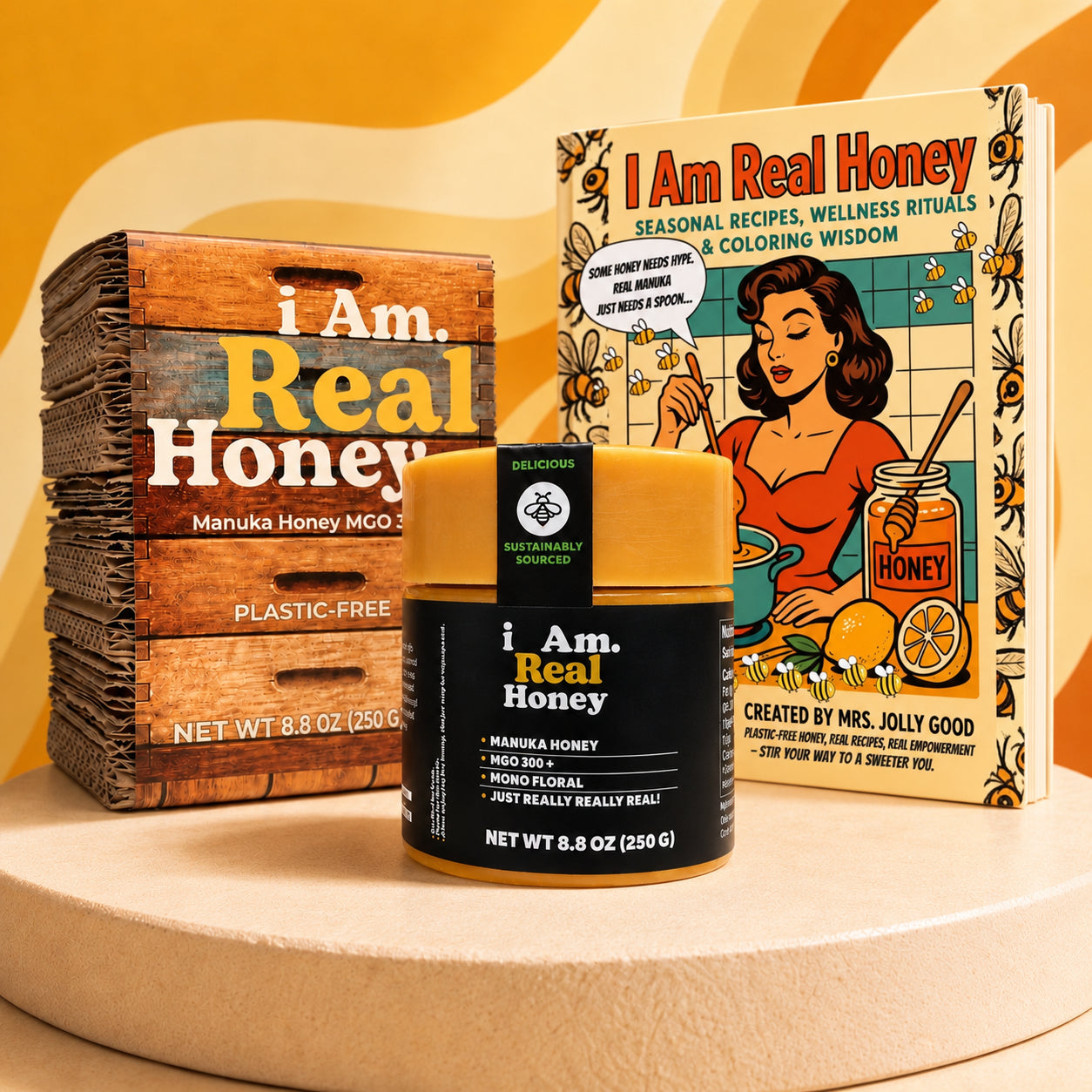
Once you know the rating you need, compare the products that match it. Our I Am REAL Honey Manuka 300+ MGO jar is a monofloral MGO 300+ option sold in 500g, and the Real Manuka Power Pack pairs the same honey with a coloring cookbook as a gift.
Before you order, read the returns and refunds policy so you know what happens if the jar arrives damaged or you change your mind. Confirm shipping terms at checkout, since free shipping thresholds vary.
Buying safely online comes down to checking the rating and reading the seller's terms. Do those three things and you will know what you are paying for.
Watch out: Be cautious of jars labelled with a high rating but no certificate number. Ask for the batch documentation before you pay.
Frequently Asked Questions
Where can I buy authentic Manuka honey online?
Buy from a seller that states the honey's New Zealand origin, shows the MGO rating on the label and product page, and names the independent test or certification behind that rating. I Am Hot Honey sells I Am REAL Honey Manuka 300+ MGO, a 500g jar listed at $39.99, which is MPI-certified for MGO 300+. Check the listing for certification details before you order, and keep the packaging or product page screenshot in case you need to verify the claim later.
What do MGO and UMF ratings mean on Manuka honey?
MGO measures methylglyoxal, a compound in Manuka honey, in milligrams per kilogram. MGO 300+ means at least 300 mg/kg. UMF is a broader four-factor grading system that uses MGO for potency, leptosperin for authenticity, DHA for shelf life and HMF for freshness. An MGO number on its own does not establish a UMF grade, so check whether a UMF rating is actually stated on the jar before assuming it has one.
Is higher MGO Manuka honey always better?
No. Higher MGO means a stronger concentration of methylglyoxal and usually a higher price. For drizzling on cheese, stirring into cocktails or finishing roasted vegetables, MGO 300+ gives a clear, rich honey flavour without paying for potency you will not use. Higher ratings suit readers who want a more concentrated product for specific personal use. Choose by intended use and budget rather than by the highest number.
Can I use Manuka honey for cooking?
Yes. Manuka honey works in glazes, dressings, marinades and baking, and it is strong enough to stand up to chilli, black garlic and citrus. I Am Hot Honey's 8.8 oz Manuka Hot Honey is designed for drizzling over pizza, roasted vegetables, eggs and avocado toast, and for stirring into smoothies, dressings and cocktails. Add it at the end of cooking where possible to keep the flavour bright.


0 comments